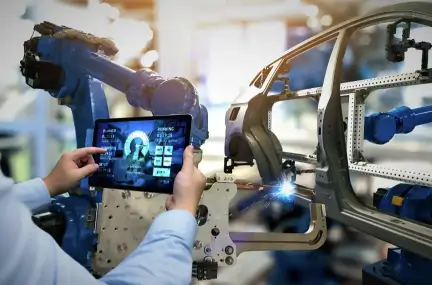
Global markets are undergoing a major transformation driven by rapid technological innovation, digital connectivity, and data-driven decision-making. Among the most influential technologies reshaping industries worldwide is machine learning. Businesses, financial institutions, healthcare providers, and governments are increasingly adopting intelligent systems to improve efficiency, predict trends, and create smarter strategies for long-term growth. Companies implementing advanced solutions like Droven.io Machine Learning platforms are leading this shift toward intelligent automation and modern digital transformation.
Machine learning is revolutionizing global markets by enabling organizations to analyze massive amounts of data, automate complex operations, and make highly accurate predictions in real time. From finance and retail to manufacturing and healthcare, machine learning technologies are changing how industries operate and compete in the modern economy.
As digital transformation accelerates worldwide, machine learning is becoming one of the most important forces shaping the future of global business and innovation.
Understanding Machine Learning Technologies
Machine learning is a branch of artificial intelligence that allows systems to learn from data and improve performance over time without requiring constant manual programming.
Traditional software follows fixed instructions created by developers. Machine learning systems, however, analyze patterns, adapt to new information, and make intelligent decisions based on experience.
Machine learning technologies can:
- Analyze complex datasets
- Predict future trends
- Detect anomalies
- Automate decision-making
- Improve operational efficiency
- Personalize digital experiences
This ability to learn and evolve makes machine learning highly valuable in industries that depend on fast and accurate data analysis.
Global markets are increasingly relying on intelligent systems to manage growing complexity and rapidly changing customer demands.
The Global Data Explosion
One of the main reasons machine learning technologies are revolutionizing global markets is the massive growth of data generation worldwide.
Every day, enormous amounts of data are created through:
- Online transactions
- Social media platforms
- Mobile applications
- Smart devices
- IoT sensors
- Healthcare systems
- Financial networks
- E-commerce activities
Managing and understanding this information manually is no longer practical.
Machine learning systems can process and analyze massive datasets in real time, helping businesses uncover hidden insights and identify valuable opportunities.
Organizations that effectively use data-driven intelligence gain significant competitive advantages in modern markets.
Machine Learning in Financial Markets
The financial industry is one of the biggest adopters of machine learning technologies.
Banks, investment firms, and financial institutions use machine learning for:
- Fraud detection
- Algorithmic trading
- Credit scoring
- Risk assessment
- Financial forecasting
- Customer analytics
Machine learning algorithms can analyze market conditions and identify trends faster than traditional analysis methods.
Automated trading systems use predictive models to execute transactions in milliseconds based on real-time market data.
Fraud detection systems powered by machine learning monitor millions of transactions instantly and identify suspicious activities with high accuracy.
These technologies improve financial security, operational efficiency, and investment decision-making across global financial markets.
See also: Sustainable Technology Trends
Revolutionizing Retail and E-Commerce
Retail and e-commerce industries are being transformed by machine learning-driven personalization and predictive analytics.
Businesses use intelligent systems to:
- Recommend products
- Optimize pricing
- Forecast inventory demand
- Personalize marketing campaigns
- Analyze customer behavior
- Improve supply chain management
Online retailers rely heavily on machine learning algorithms to deliver customized shopping experiences.
Recommendation engines analyze browsing history, purchasing behavior, and customer preferences to suggest relevant products.
Predictive inventory systems help retailers avoid stock shortages while improving operational efficiency.
As global e-commerce continues expanding rapidly, machine learning technologies are becoming essential for maintaining competitiveness in digital retail markets.
Healthcare Innovation and Medical Intelligence
Healthcare markets are also experiencing significant transformation through machine learning technologies.
Medical organizations use intelligent systems for:
- Disease diagnosis
- Medical imaging analysis
- Drug discovery
- Patient monitoring
- Personalized treatment planning
- Healthcare analytics
Machine learning algorithms can analyze medical scans and identify abnormalities with impressive precision.
Healthcare providers are using predictive analytics to improve patient outcomes and reduce operational costs.
Wearable devices powered by machine learning monitor physical activity, heart rate, and sleep quality in real time.
As healthcare systems generate more data globally, machine learning will continue improving medical research and patient care.
Manufacturing and Industrial Automation
Manufacturing industries worldwide are using machine learning to improve productivity, reduce costs, and optimize industrial operations.
Machine learning applications in manufacturing include:
- Predictive maintenance
- Quality control automation
- Production forecasting
- Industrial robotics
- Energy optimization
- Supply chain management
Sensors installed on industrial equipment collect real-time operational data that machine learning systems analyze to detect potential problems before failures occur.
This predictive maintenance approach reduces downtime and increases efficiency.
Smart factories powered by machine learning technologies are becoming central to modern industrial growth and global manufacturing competitiveness.
Supply Chain Optimization Across Global Markets
Global supply chains are becoming increasingly complex due to international commerce, changing consumer demands, and economic uncertainties.
Machine learning technologies help businesses optimize supply chain operations by:
- Predicting customer demand
- Improving delivery routes
- Managing warehouse operations
- Reducing transportation costs
- Monitoring supplier performance
- Preventing supply disruptions
Logistics companies use real-time machine learning analytics to improve delivery efficiency and customer satisfaction.
Predictive systems help businesses respond faster to market changes and maintain operational stability.
As global commerce continues expanding, machine learning-powered supply chain management will become even more important.
Cybersecurity and Digital Protection
As global markets become more digitally connected, cybersecurity threats continue growing in both frequency and sophistication.
Machine learning is revolutionizing cybersecurity by enabling intelligent threat detection and automated security responses.
Machine learning cybersecurity systems can:
- Monitor network traffic
- Detect suspicious behavior
- Identify malware
- Prevent financial fraud
- Analyze attack patterns
- Respond to cyber threats automatically
Unlike traditional rule-based security tools, machine learning algorithms continuously learn from evolving threats.
Businesses, governments, and financial institutions increasingly rely on intelligent cybersecurity systems to protect critical digital infrastructure.
Cybersecurity powered by machine learning is becoming essential for maintaining trust in the global digital economy.
Personalized Digital Experiences
Consumers worldwide now expect personalized experiences across digital platforms, and machine learning makes this possible.
Businesses use machine learning technologies to:
- Personalize advertisements
- Recommend content
- Optimize customer interactions
- Improve virtual assistants
- Enhance user engagement
Streaming services, social media platforms, and online stores all depend heavily on machine learning recommendation systems.
Personalization increases customer satisfaction and strengthens brand loyalty.
As machine learning technologies become more advanced, digital experiences will become even more customized and predictive.
Real-Time Market Intelligence
Modern global markets operate at incredible speed, making real-time intelligence more valuable than ever.
Machine learning systems enable businesses to process data instantly and respond quickly to changing conditions.
Real-time analytics helps organizations:
- Monitor market trends
- Predict customer behavior
- Detect operational issues
- Optimize business strategies
- Improve decision-making
Businesses using machine learning-driven intelligence can react faster than competitors relying on traditional analysis methods.
This speed advantage is becoming increasingly important in highly competitive global markets.
Machine Learning and Smart Cities
Machine learning technologies are also helping develop smart cities designed to improve urban efficiency and sustainability.
Applications include:
- Traffic management
- Energy optimization
- Public safety systems
- Waste management automation
- Smart transportation
- Environmental monitoring
Intelligent systems analyze urban data to improve city infrastructure and enhance quality of life for residents.
As urban populations continue growing worldwide, smart city technologies powered by machine learning will become increasingly important.
Ethical Challenges and Global Concerns
Despite its many advantages, machine learning also presents ethical and social challenges that global markets must address.
Some major concerns include:
- Data privacy
- Algorithm bias
- Job displacement
- Lack of transparency
- Security risks
- Ethical AI governance
Organizations must ensure machine learning systems are developed responsibly and fairly.
Governments and technology leaders are increasingly focusing on regulations and ethical AI practices to maintain trust and accountability.
Responsible implementation will be essential for the sustainable growth of machine learning technologies worldwide.
The Future of Machine Learning in Global Markets
The future of machine learning technologies looks extremely promising as innovation continues accelerating.
Future developments may include:
- More advanced autonomous systems
- AI-powered financial markets
- Smarter healthcare diagnostics
- Fully automated supply chains
- Intelligent robotics
- Hyper-personalized digital ecosystems
As computing power increases and machine learning models become more sophisticated, intelligent technologies will continue reshaping industries across the globe.
Businesses that invest in machine learning today are positioning themselves for long-term success in the future digital economy.
Conclusion
Machine learning technologies are revolutionizing global markets by transforming how businesses operate, compete, and innovate. From financial services and healthcare to manufacturing and cybersecurity, intelligent systems are improving efficiency, enabling smarter decision-making, and driving digital growth worldwide.
As data continues expanding across every industry, machine learning will remain one of the most powerful technologies shaping the future of global business and economic development.
Organizations that successfully adopt machine learning strategies will gain major advantages in innovation, scalability, and competitiveness in an increasingly intelligent and data-driven world.