Robotics in agriculture is reshaping traditional farming methods. The introduction of autonomous machinery streamlines labor-intensive tasks, thereby enhancing productivity. Technologies such as drones and AI-driven analytics provide farmers with precise insights into crop health and resource management. This shift not only addresses labor shortages but also fosters sustainable practices. However, the implications of these advancements extend beyond efficiency, raising questions about their long-term impact on the agricultural landscape.
The Rise of Autonomous Machinery
As agricultural demands increase due to a growing global population, the rise of autonomous machinery has emerged as a transformative solution for the industry.
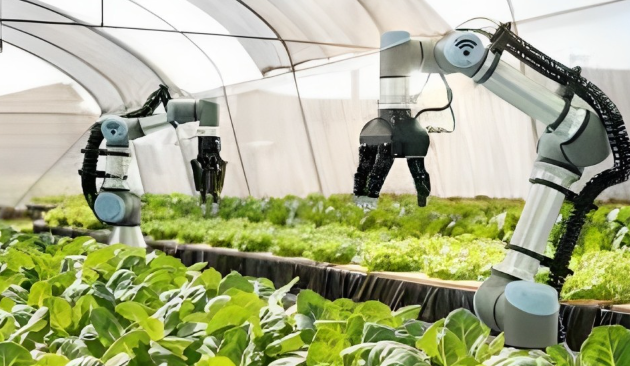
Robotic harvesting and automated planting systems significantly enhance efficiency and productivity. These technologies mitigate labor shortages and optimize resource use, allowing farmers to adapt to changing conditions while fostering a more sustainable agricultural landscape that promotes independence and innovation.
Precision Agriculture and Data Analytics
Autonomous machinery has laid the groundwork for advanced methodologies in agriculture, particularly through the implementation of precision agriculture and data analytics.
These technologies facilitate effective crop monitoring and detailed soil analysis, enabling farmers to optimize resource use and enhance yield.
Drones and Aerial Imaging
Drones and aerial imaging technologies have revolutionized the agricultural landscape by providing farmers with unprecedented insights into their fields.
Utilizing advanced drone technology, farmers can conduct aerial surveying to monitor crop health, optimize resource allocation, and detect issues early.
This innovative approach enhances decision-making processes, allowing for increased efficiency and sustainability, ultimately empowering farmers to maximize productivity while minimizing environmental impact.
See also: Robotics and Artificial Intelligence Integration
The Future of Robotics in Sustainable Farming
While the integration of robotics in agriculture has already begun to transform farming practices, its future promises even greater advancements in sustainable farming.
Robotic pollinators will enhance crop yields while minimizing pesticide use, and smart greenhouses equipped with AI-driven systems will optimize resource management.
These innovations align with eco-conscious initiatives, fostering a farming paradigm that prioritizes sustainability and efficiency, ultimately granting farmers greater autonomy.
Conclusion
As robotics continue to reshape agriculture, they stand as the vanguard of a new era where technology and sustainability coexist harmoniously. The integration of autonomous machinery, precision data analytics, and aerial imaging not only addresses current agricultural challenges but also cultivates a future where farming is both efficient and eco-conscious. Thus, in this dance between innovation and nature, one must ponder: will humanity grasp this opportunity to redefine its relationship with the land, or allow it to slip away?