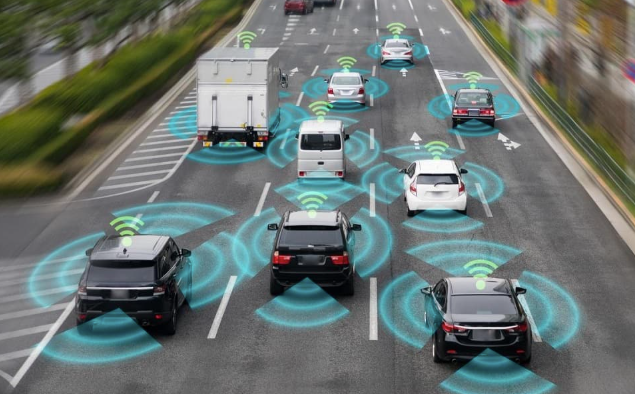
Smart transportation systems represent a significant evolution in urban mobility. By utilizing IoT technology and advanced data analytics, these systems enhance traffic management and improve safety. They facilitate efficient public transit options and promote seamless connectivity among different transport modes. As cities grapple with increasing population pressures, the implications of these systems become even more critical. The exploration of their potential benefits and future trends reveals a complex landscape worth examining.
The Role of IoT in Smart Transportation
How does the Internet of Things (IoT) fundamentally transform transportation systems?
IoT connectivity enhances traffic optimization through real-time data exchange, enabling efficient route management.
Vehicle automation, supported by smart infrastructure, reduces congestion and improves safety.
This integration fosters a more liberated mobility experience, allowing individuals to navigate urban environments with greater ease while minimizing environmental impacts and promoting sustainable transport solutions.
AI and Big Data Analytics for Enhanced Mobility
The integration of IoT in transportation systems sets the stage for leveraging AI and big data analytics to further enhance mobility.
Machine learning algorithms analyze vast datasets, enabling predictive analytics that optimize traffic flow, reduce congestion, and improve safety.
Benefits of Smart Public Transit Systems
Smart public transit systems present numerous advantages that enhance urban mobility and improve the overall efficiency of transportation networks.
They offer cost efficiency through optimized routing and reduced operational expenses, while simultaneously enriching the user experience with real-time information and seamless connectivity.
These systems empower individuals by providing reliable alternatives to personal vehicles, ultimately fostering greater freedom in urban travel choices and reducing congestion.
See also: Robotics and Artificial Intelligence Integration
Future Trends in Urban Mobility Solutions
As urban populations continue to grow and technological advancements reshape transportation landscapes, future trends in urban mobility solutions are increasingly focused on sustainability, integration, and innovation.
Key developments include the proliferation of electric vehicles, which enhance sustainable mobility, alongside the rise of shared transportation models and mobility as a service platforms.
These trends aim to optimize urban transit efficiency while promoting environmentally conscious choices for freedom in movement.
Conclusion
In conclusion, smart transportation systems represent a transformative approach to urban mobility, driven by IoT and advanced data analytics. For instance, cities like Barcelona have implemented real-time traffic management solutions that utilize sensor data to optimize traffic flow, reducing congestion by up to 20%. As urban populations continue to grow, these systems will be essential in creating sustainable, efficient transportation networks that enhance the quality of life for citizens while minimizing environmental impacts.